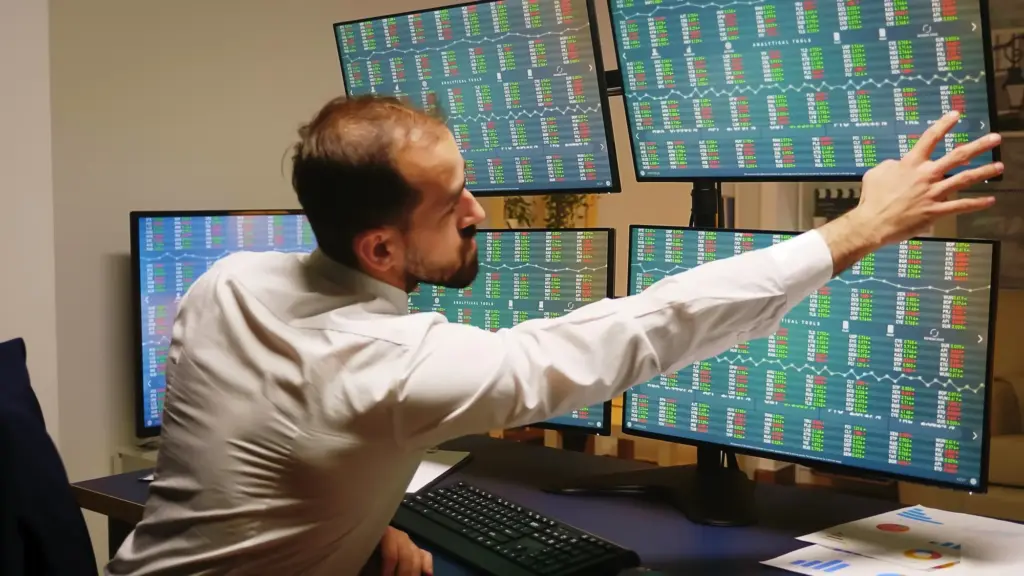
When Code Meets the Tape


Today we explore Algorithmic Trading’s Reinforcing Effects on Intraday Momentum: how execution schedulers, liquidity providers, and signal-driven agents can unintentionally or deliberately amplify short-lived trends. Through microstructure insights, lived desk stories, and practical metrics, we follow the feedback loops that begin with small imbalances and cascade into outsized moves, then learn how to measure, harness, or defend against those accelerating bursts.

The Microstructure Feedback Loop

Thin depth, cautious market makers, and sequential child orders create a reflexive pathway where each trade slightly shifts quotes and invites the next. As resting liquidity retreats from adverse selection, queues shorten, levels break, and stop orders release additional pressure, turning local imbalance into directional flow that persists minutes longer than fundamentals justify, especially during overlapping sessions or fragmented venues where routing logic chases fast-moving prints.

From Queue to Quick Breakout

Picture a quiet book where two large iceberg orders anchor the best prices until one sweep exposes the hidden size. Makers widen half a tick, takers sense hesitation, and a burst of child orders arrives. With queues thinned and rebates no longer compensating risk, the next breakout requires less volume, compressing time and reinforcing the move beyond the initial catalyst.

Adverse Selection and the Reluctant Maker

When informed flow is suspected, quoting aggressively becomes a liability. Models raise fade probabilities, internalizers reroute, and displayed size shrinks just when urgency rises. This reluctance converts marginal taker interest into slippage, which looks like information to fast strategies, inviting even more participation and extending the directional window through mechanics rather than new data or news.

Execution Algorithms That Nudge the Trend

Participation- and schedule-based execution tools appear passive, yet their steady footprints can lean on the tape. POV clips follow volume surges, TWAP drips through quiet patches, and opportunistic liquidity sniffs in dark pools. In aggregate, these mechanics add asymmetry: rising tapes attract larger clips, falling tapes force defensive slicing, and both behaviors systematically extend intraday continuation without any change in fundamental value.

POV’s Quiet Pressure

A participation algorithm matching, say, eight percent of market volume buys more not because conviction changes, but because the market trades more during bursts. That coupling of clip size to activity means strength begets additional demand, subtly maintaining momentum until scheduled limits, venue liquidity shifts, or volatility controls force a pause in the feedback loop.

Scheduling Around News Windows

To avoid headline risk, many desks throttle exposure into known events, then accelerate if the release confirms direction. The stagger creates synchronized catch-up orders across brokers, compounding moves exactly when spreads are widest. That collective timing, repeated daily, produces recognizable intraday signatures that systematic traders learn, mirror, and sometimes inadvertently exaggerate.

Child Orders and Hidden Liquidity

Slice-and-dice logic seeks size without signaling, but predictable footprints still leak through. Midpoint peeks, pinging behavior, and repeatable routing preferences leave trails that momentum detectors can exploit. As hidden shares refill less often under pressure, slippage rises for everyone executing in the same direction, nudging prices further and prolonging the transient imbalance they hoped to sidestep.

Signal Engines and Momentum Chasers

From simple moving-average crossovers to sophisticated microstructure classifiers, many strategies reward early confirmation and punish fading. Common features—order flow imbalance, uptick rates, or imbalance-of-imbalances—trigger in clusters, creating crowding. As more agents detect identical edges, they accelerate entry timing, compress reversion windows, and collectively print patterns that look like genuine information even when driven by mutual feedback alone.

Autocorrelation and Impact Decay

Estimate short-horizon return correlations while controlling for volatility and volume to detect persistence beyond noise. Examine impulse responses after aggressive trades to see how quickly prices revert. Slower decay in busy intervals suggests reinforcement, especially when subsequent passive fills trail the initial move rather than neutralizing it promptly.

Book Imbalance as a Leading Hint

Track normalized depth on bid versus ask across top levels, along with cancellation intensity. A persistent ask-side retreat coupled with rising market orders forecast continuation more reliably than price alone. When imbalance precedes motion repeatedly, you have behavioral evidence that participants react mechanically, not fundamentally, creating exploitable yet fragile signals.

Risk Controls When Trends Feed on Themselves

Continuation seduces traders into chasing fills at any price, yet survivorship demands brakes. Integrate dynamic participation caps, impact-aware sizing, and volatility tripwires that cool activity when depth thins. Build routing that prefers passive joins during extensions and flips to active only when urgency, information, or client mandates genuinely justify additional footprint on a stressed tape.

Participation and Liquidity Regimes

Tag regimes by spread state, realized variance, and hidden-to-displayed ratios, then map participation ceilings to each environment. In thin or jumpy markets, smaller clips lower cumulative slippage by preventing reinforcement. Conversely, when liquidity is abundant and impact decays quickly, you can raise limits while monitoring for sudden regime switches that reverse the advantage.

Impact-Aware Position Sizing

Couple expected alpha with a live estimate of marginal price impact, producing sizes that shrink as the tape heats up. This adaptive throttle protects edge and lowers variance of outcomes, especially during crowded chases. It also enforces humility: when your presence shapes the path, smaller footprints keep information content credible.

Stop Design for Reflexive Tapes

Fixed ticks invite predictable hunting when liquidity thins. Prefer volatility-scaled, time-weighted, or structural stops that acknowledge feedback loops. Pair exits with passive queues when possible, and avoid stacking triggers near obvious levels where collective behavior converts prudent risk control into a magnet that accelerates the very move you fear.

Regulation, Fairness, and Market Quality

Healthy markets balance speed, transparency, and integrity. Enforcement against spoofing matters, but so does recognizing organic reinforcement that looks suspicious yet emerges from rational micro-decisions. Policy tools—batch auctions, minimum resting times, or random delays—change feedback geometry. Any reform should be tested in simulation and pilots to preserve competition, price discovery, and access while reducing runaway cascades.

Show Your Tape: Experiments and Community

Bring curiosity to the screen and test what you read. Reproduce short-horizon persistence conditioned on flow, share anonymized plots, and compare decay curves across venues. Tell us where reinforcement bit your P&L or saved a day. Subscribe for code snippets, data schemas, and new case studies, and drop questions so we can explore them together.

A Desk Story to Start the Debate

One January morning, a small biotech beat expectations, and a gentle open turned into a sprint. Our TWAP client kept buying, makers stepped back, and three firms’ models joined. The drift outlasted the news window by fifteen minutes, a textbook reinforcement that later reversed sharply once liquidity rebuilt and urgency faded.

Your Data, Your Hypotheses

If you track imbalance, cancellation rates, and quote stability, you already hold clues. Post anonymized distributions, or replicate our metrics on futures, crypto, or ADRs. We will highlight clever designs, publish open-source helpers, and invite authors to live sessions where we critique, refine, and celebrate rigorous curiosity together.

What We Will Explore Next

Coming pieces compare batch auctions with continuous trading under identical shocks, simulate liquidity mining incentives, and examine reinforcement in options where gamma hedging amplifies direction. Vote on priorities, propose assets to test, and join our mailing list so you receive datasets, notebooks, and workshop invites as they release.
Savikiralentokaropiravaro
Privacy Overview

This website uses cookies so that we can provide you with the best user experience possible. Cookie information is stored in your browser and performs functions such as recognising you when you return to our website and helping our team to understand which sections of the website you find most interesting and useful.